INDUSTRIAL CONFERENCE MEETING ROOM DESIGN
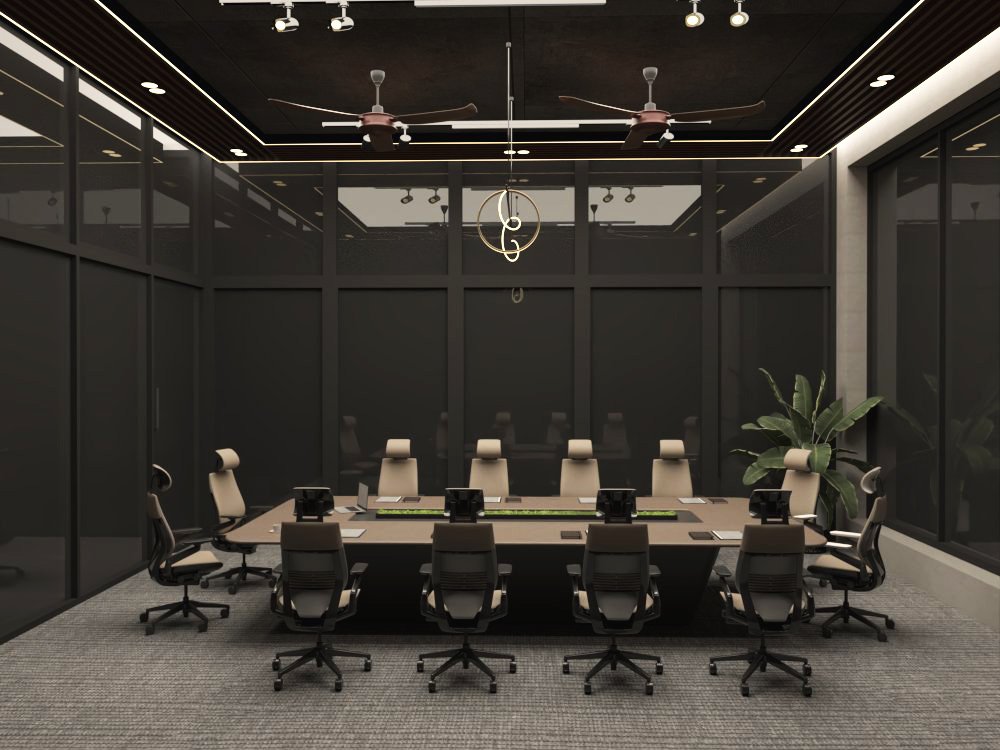
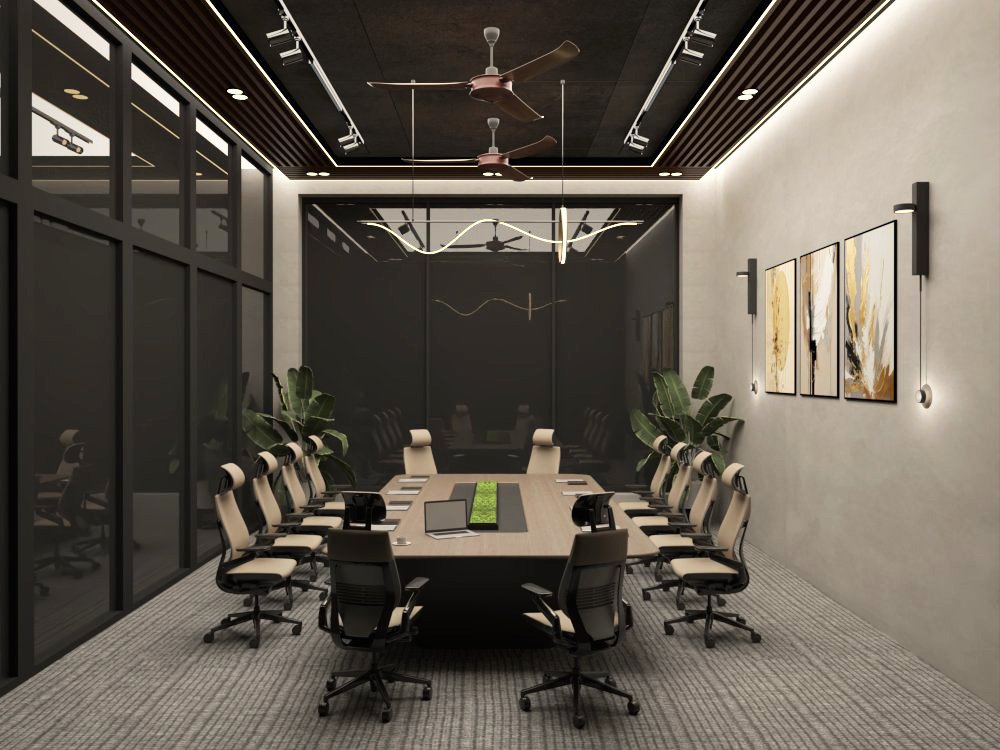
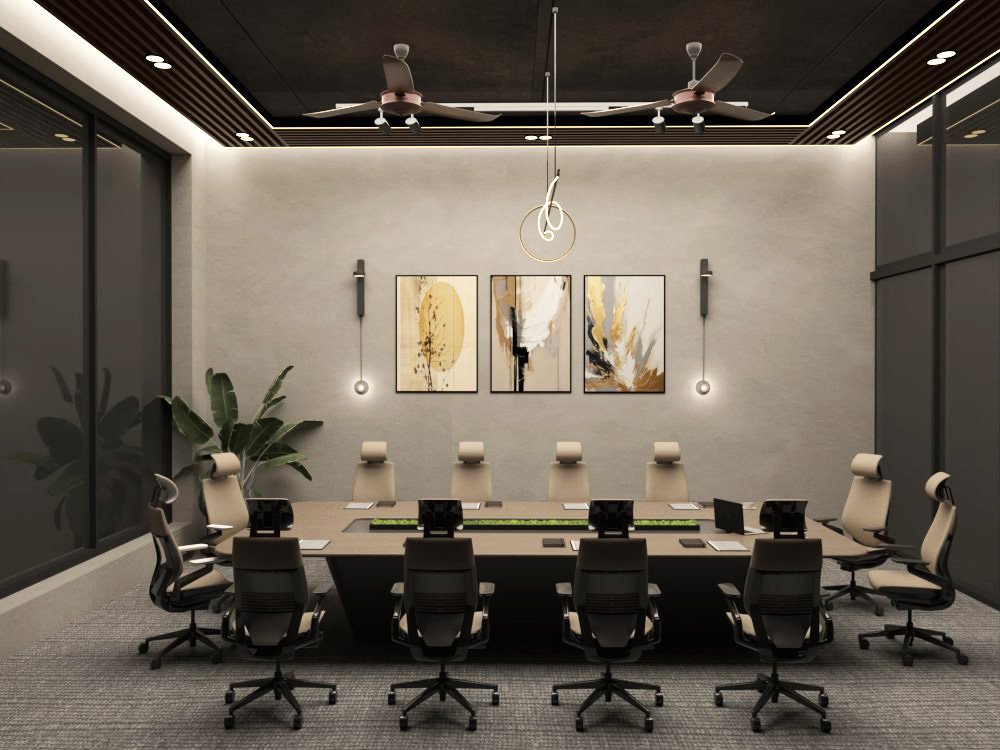
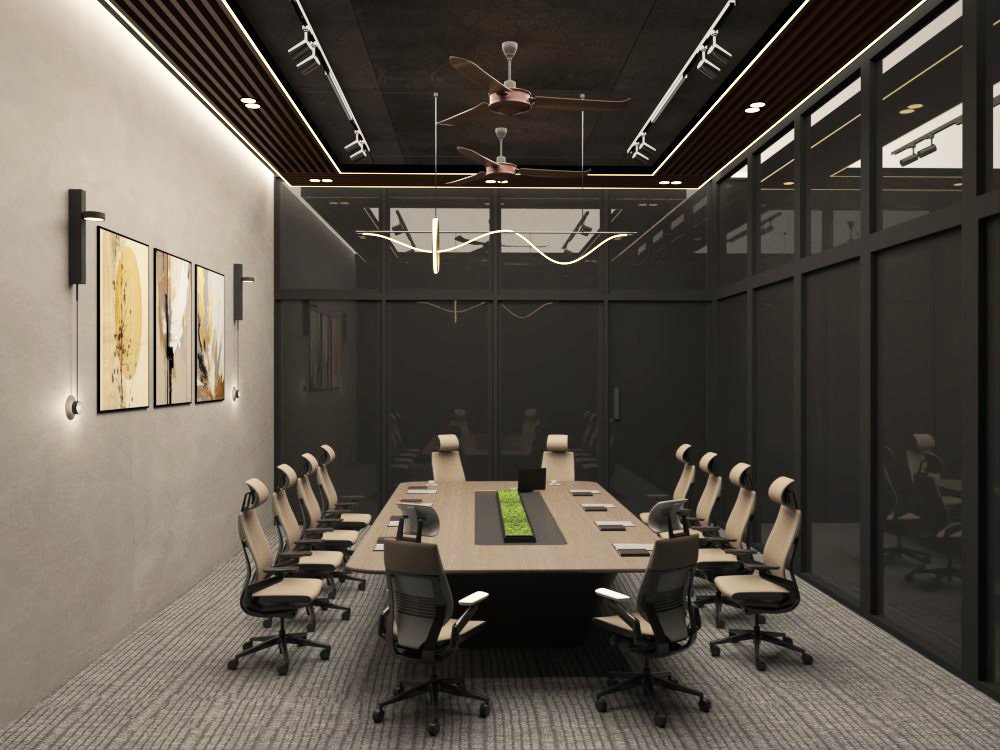
An industrial conference meeting room design features a bold, modern workspace inspired by warehouse-style interiors.
A well-designed conference meeting room plays a crucial role in any modern workplace. It is the space where important discussions, client presentations, brainstorming sessions, and team meetings take place. The design of a conference room should not only reflect professionalism but also support productivity, collaboration, and comfort.
Modern conference meeting room design focuses on combining functionality with aesthetics. With the right furniture, lighting, technology, and layout, businesses can create a meeting space that encourages communication and leaves a positive impression on employees and clients alike.
Table of Contents
Importance of a Well-Designed Conference Meeting Room
The industrial conference room is often considered the decision-making hub of an office. Whether it is a strategy meeting, project discussion, or client presentation, this space must provide an environment that promotes focus and collaboration.
A thoughtfully designed conference meeting room offers several benefits:
- Enhances team collaboration and communication
- Creates a professional impression for clients and visitors
- Improves productivity during meetings
- Supports modern technology and presentations
- Provides a comfortable environment for discussions
Investing in good conference room design helps companies create an efficient workspace that reflects their brand identity and professionalism.
Key Elements of Conference Meeting Room Design
Designing an effective conference room requires careful planning. Every element of the space should contribute to functionality and visual appeal.
1. Conference Table Design
The conference table is the focal point of the meeting room. Its size, shape, and material should suit the number of participants and the style of the office interior.
Common conference table styles include:
- Rectangular tables for large meetings
- Oval or boat-shaped tables for better visibility
- Round tables for small discussions
- Modular tables for flexible layouts
Materials such as wood, glass, or laminate finishes are often used to create a professional and elegant look.
2. Comfortable Seating
Comfortable seating is essential for long meetings and presentations. Ergonomic chairs with proper back support help maintain comfort and productivity.
Features to consider in conference room chairs include:
- Adjustable height and backrest
- Cushioned seating for comfort
- Swivel and mobility features
- Professional design that complements the interior
Comfortable seating ensures that participants remain focused and engaged during meetings.
3. Lighting Design
Lighting plays an important role in creating the right atmosphere in a conference room. The space should have balanced lighting that supports presentations and reduces eye strain.
Popular lighting options include:
- Recessed ceiling lights for uniform illumination
- Pendant lights above the conference table
- LED panel lights for modern offices
- Accent lighting for design features
Natural light can also enhance the overall environment by making the room feel more open and comfortable.
Technology Integration in Conference Rooms
Modern conference meeting rooms require advanced technology to support communication and presentations. Integrating the right technology ensures smooth meetings and efficient collaboration.
Essential technology elements include:
- Large display screens or projectors
- Video conferencing systems
- Wireless presentation tools
- High-quality audio systems
- Smart control panels for lighting and AV equipment
These technologies enable businesses to conduct meetings with remote teams and clients effectively.
Wall Design Ideas for Conference Rooms
Walls play a significant role in defining the style of a conference meeting room. Instead of plain walls, modern offices use creative design elements to make the space visually appealing.
Some popular wall design ideas include:
- Wooden panel walls for a warm and professional look
- Glass walls to create openness and transparency
- Textured wall finishes for modern interiors
- Branding walls with company logos or graphics
A well-designed wall feature can become the focal point of the conference room while enhancing the overall interior design.
Acoustic Design for Better Meetings
Sound quality is an important factor in conference room design. Poor acoustics can make conversations difficult, especially during large meetings or video conferences.
To improve acoustics, designers often use:
- Acoustic wall panels
- Fabric or upholstered wall finishes
- Carpet flooring to reduce echo
- Acoustic ceiling tiles
These solutions help create a quieter and more focused meeting environment.
Conference Room Layout Ideas
The layout of a conference room should be designed according to the size of the space and the type of meetings conducted.
Some common conference room layouts include:
Boardroom Style
A large central table surrounded by chairs. This layout is ideal for formal meetings and executive discussions.
U-Shaped Layout
Tables arranged in a U-shape to allow participants to face each other and see presentations easily.
Classroom Layout
Rows of tables facing the front screen. Suitable for training sessions and workshops.
Collaborative Layout
Flexible seating arrangements that encourage brainstorming and team discussions.
Choosing the right layout ensures efficient communication and better interaction during meetings.
Color Scheme for Conference Rooms
The color scheme of a conference meeting room should create a professional and comfortable environment. Neutral and balanced colors are often preferred in office interiors.
Popular conference room color choices include:
- White and grey combinations
- Beige and warm wooden tones
- Soft blue or green accents for calmness
- Dark accents for a premium corporate look
These colors help maintain a sophisticated and productive workspace atmosphere.
Adding Decorative Elements
While conference rooms should remain professional, adding a few decorative elements can enhance the space without distracting from its purpose.
Examples include:
- Minimal artwork
- Indoor plants for freshness
- Modern wall clocks
- Elegant lighting fixtures
These elements add personality to the meeting room while maintaining a clean and professional appearance.
Tips to Design the Perfect Conference Meeting Room
When planning a conference meeting room, consider the following tips:
- Choose a table size suitable for the number of participants
- Ensure comfortable seating for long meetings
- Install proper lighting and acoustic solutions
- Integrate modern technology for presentations
- Maintain a clean and professional interior design
A balanced combination of these elements helps create a meeting space that is both functional and visually appealing.
Conclusion
Conference meeting room design plays an important role in shaping the overall office environment. A well-designed meeting space supports collaboration, enhances productivity, and creates a professional setting for discussions and presentations.
By focusing on elements such as furniture, lighting, acoustics, technology, and layout, businesses can design conference rooms that are both stylish and practical. Whether for internal meetings or client presentations, a thoughtfully designed conference meeting room reflects professionalism and contributes to a more efficient workplace.
Recent Project
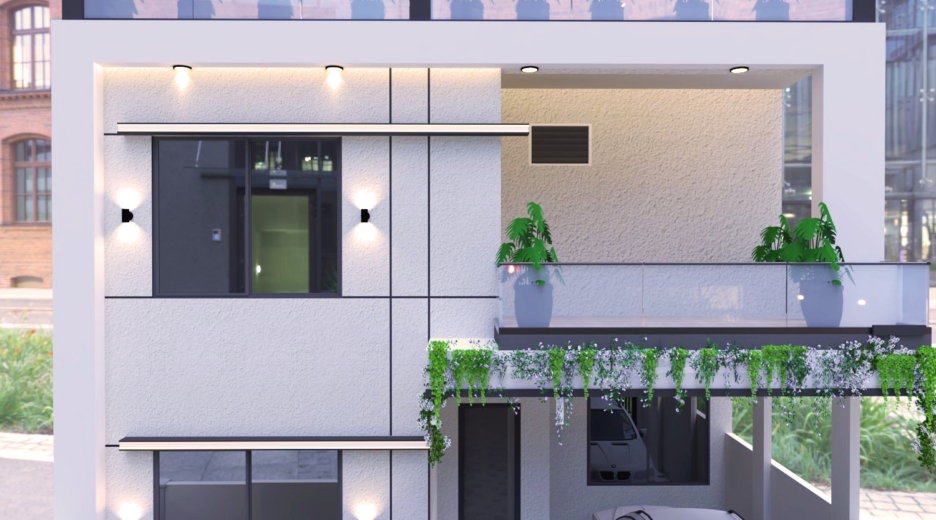
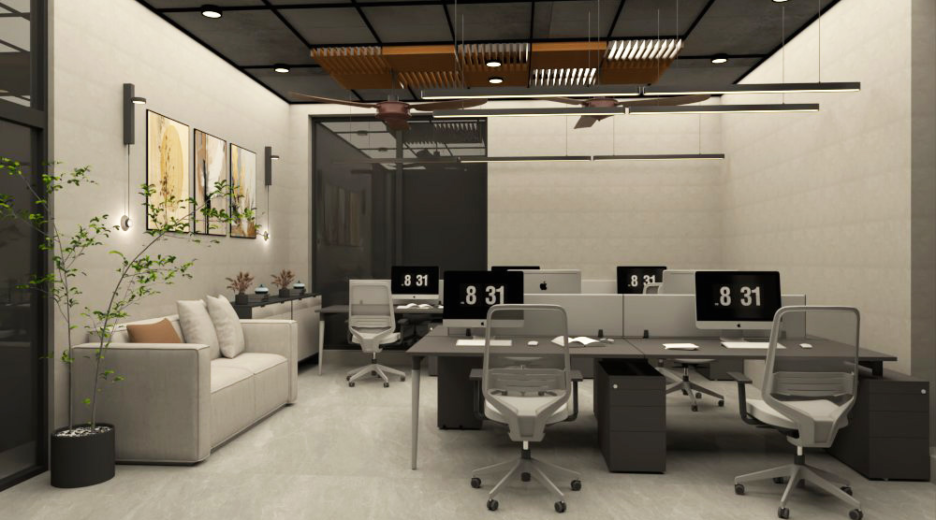
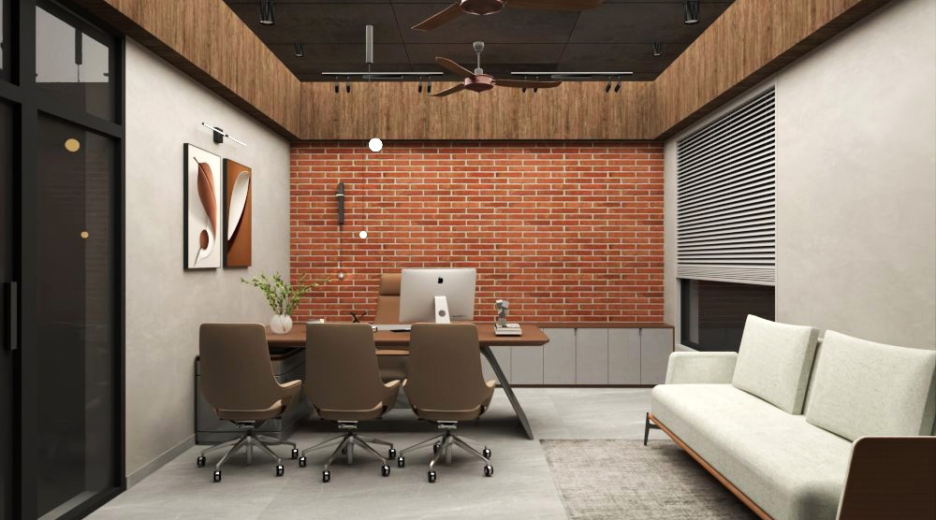
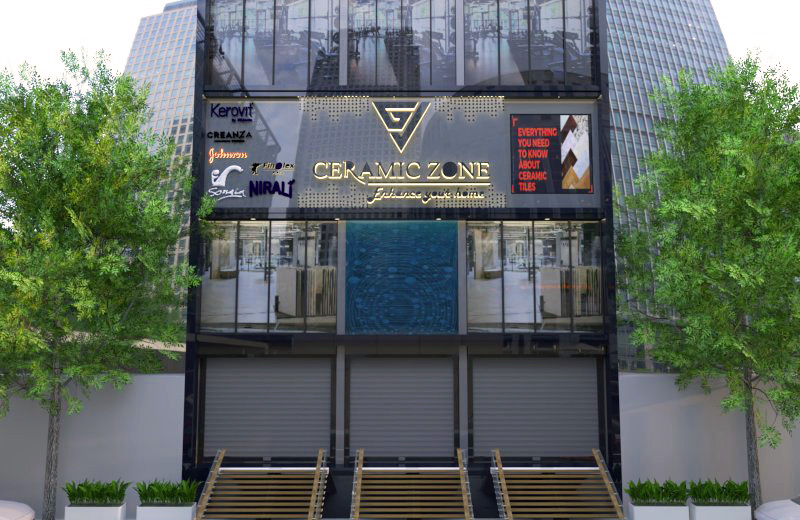
Modern Commercial Office Elevation
Modern Commercial Office Elevation